
Top Network Infrastructure Design Trends Shaping the Future
GI
Introduction to Network Infrastructure Design Trends
As technology continues to evolve, network infrastructure design is experiencing significant transformations. These changes are driven by the need for faster, more reliable connections and the demand for enhanced security. In this post, we explore some of the top trends shaping the future of network infrastructure.
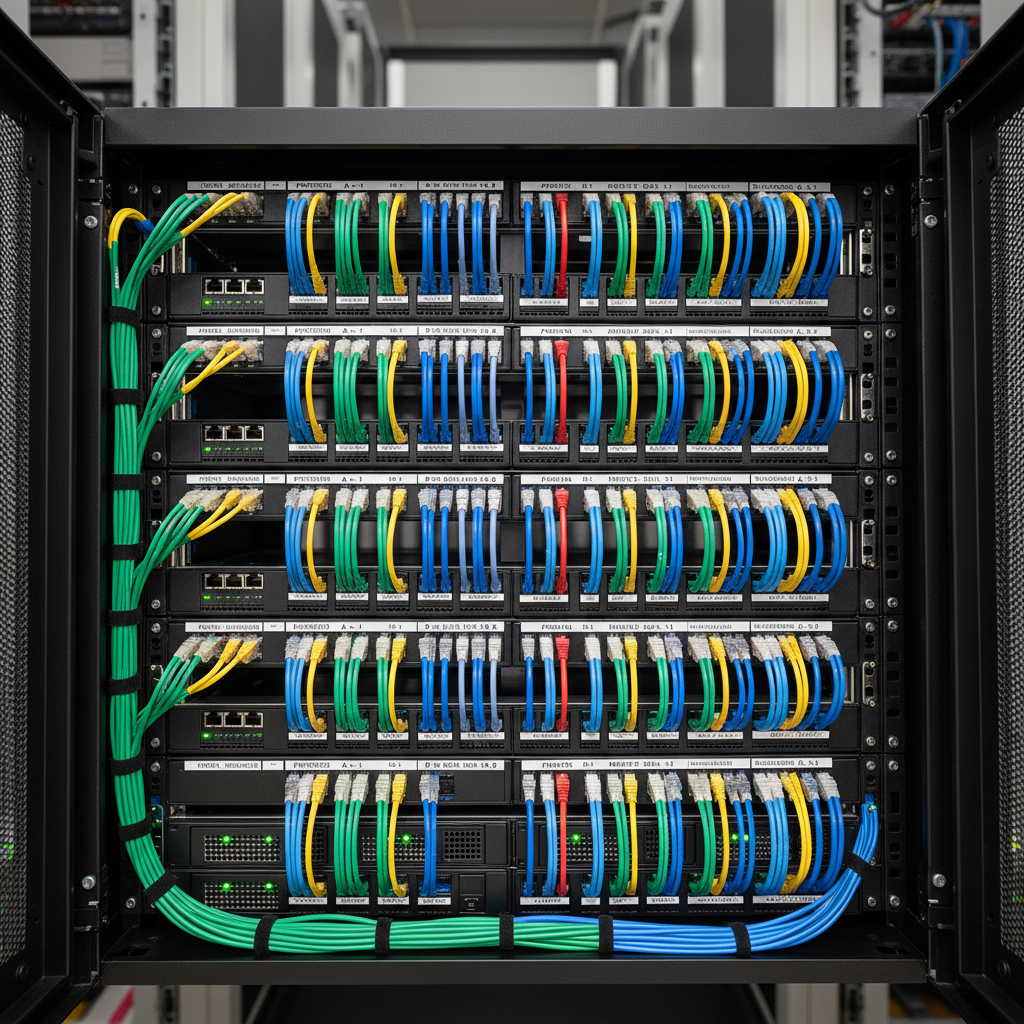
Embracing Software-Defined Networking (SDN)
Software-Defined Networking (SDN) is revolutionizing how networks are managed. By decoupling the control plane from the data plane, SDN allows for more flexible and efficient network management. This trend is crucial for organizations seeking to improve agility and scalability.
SDN enables centralized control, making it easier to implement changes and optimize network performance. As businesses strive for greater operational efficiency, the adoption of SDN is becoming increasingly popular.
The Rise of Edge Computing
Edge computing is another trend gaining momentum. By bringing computation and data storage closer to the data source, edge computing reduces latency and improves performance. This approach is essential for applications requiring real-time data processing, such as IoT devices and autonomous vehicles.

Organizations are leveraging edge computing to enhance user experiences and streamline processes. As more devices connect to the internet, the demand for edge computing solutions is expected to grow exponentially.
Integration of AI and Machine Learning
Artificial Intelligence (AI) and Machine Learning (ML) are playing a significant role in network infrastructure design. These technologies enable predictive analytics, helping organizations to identify potential issues before they become critical problems.
AI and ML can automate routine tasks, reduce downtime, and improve overall network reliability. As these technologies continue to advance, their integration into network infrastructure will become increasingly sophisticated.

Focus on Cybersecurity
With the increase in cyber threats, cybersecurity is a top priority for network infrastructure design. Implementing robust security measures is essential to protect sensitive data and maintain trust. Organizations are adopting strategies like zero-trust architecture and advanced encryption techniques to bolster their defenses.
Investing in cybersecurity not only protects data but also enhances the overall reputation of a business. As threats evolve, so too will the security measures designed to counteract them.
Conclusion: Preparing for the Future
The future of network infrastructure design is exciting and full of potential. By staying informed about these trends, businesses can ensure they remain competitive and ready to meet the demands of tomorrow.
Whether through the adoption of SDN, edge computing, AI, or enhanced cybersecurity measures, organizations must adapt to these changes to succeed in an increasingly connected world.